Fast food fits into busy lives, and for many people it is a regular part of the week. Eating at a drive-thru does not have to mean giving up on balanced choices. A few small decisions when you order can make a meaningful difference.
This guide shares general, practical tips. It is not medical or dietary advice — if you have specific health needs, follow the guidance of a doctor or registered dietitian.
Use the nutrition information that is already there
In the United States, restaurant chains with 20 or more locations are required to display calorie information on their menus and menu boards, and to provide more detailed nutrition information on request. Most chains also publish full nutrition and allergen details on their websites and apps.
- Look at calories on the menu board before deciding — the differences between similar items can be surprising.
- Use the official nutrition calculator in the chain’s app or website to see how customizations change the totals.
- Check allergen information directly with the restaurant if you have an allergy.
Choose grilled, roasted or baked when you can
Grilled chicken, roasted options and baked items are usually lower in calories and fat than fried versions of similar foods. If you prefer fried food, consider a smaller portion or pairing it with a lighter side.
Mind the portion size
Larger sizes and “meal” upgrades can add a lot of extra calories, salt and sugar. Some easy swaps:
- Choose a regular or small size instead of large.
- Share a large side rather than ordering one each.
- Order a single patty instead of a double or triple.
- Try a kids’ meal portion if it suits your appetite.
Rethink your drink
Sugary soft drinks, shakes and specialty coffee drinks can contain as many calories as a small meal. Water, unsweetened iced tea, sparkling water, black coffee or diet drinks are simple swaps. If you want a treat drink, choosing the smallest size helps.
Customize your order
Most chains are happy to adjust an order. Ask for sauces and dressings on the side, hold the extra cheese or bacon, add extra vegetables, or swap fries for a side salad, fruit or another lighter side where available.
Look for vegetables and protein
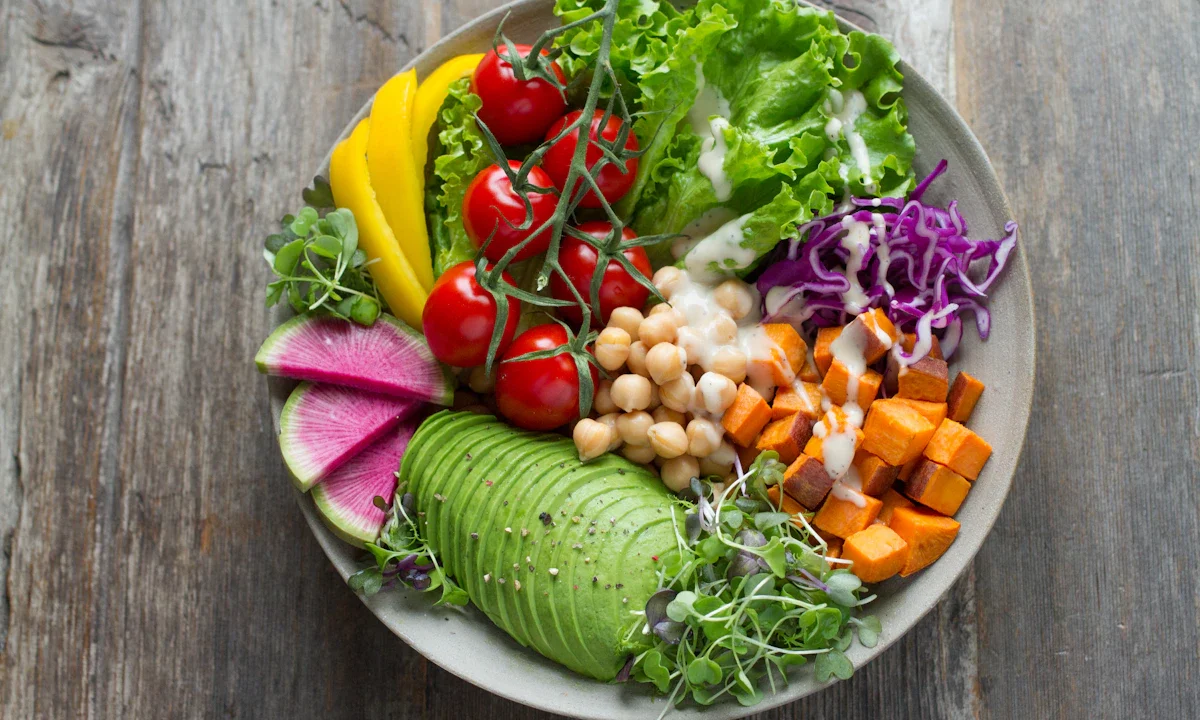
Meals with some protein and vegetables tend to keep you fuller for longer. Salads, bowls, wraps and sandwiches with plenty of vegetables are increasingly common on fast food menus. Watch out for crispy toppings and creamy dressings, which can add up quickly.
Watch the sodium
Fast food is often high in salt. If you are trying to cut back, skip added salt on fries, limit processed meats and salty sauces, and balance a salty meal with lower-sodium foods for the rest of the day.
Plan ahead
It is easier to make a balanced choice when you are not starving at the counter. Checking the menu and nutrition information in the app before you go lets you decide calmly.
The bottom line
Healthier fast food is mostly about small, repeatable choices: sensible portions, smarter drinks, grilled options, more vegetables and using the nutrition information restaurants already publish. Menus and recipes change, so always check the latest details from the restaurant itself.